Project Transition

Email: CBrummans@projecttransition.com

Contact: Cherie Brummans

For nearly thirty-five years, Project Transition has provided hope and healing to adults with serious mental illness. Our members are part of a residential treatment program that promotes sustainable recovery from mental illness. Each mental health treatment program is located in an apartment setting with several locations throughout Southeastern Pennsylvania.  Many of the people we work with have felt failed by previous treatment efforts, and have experienced extensive stays at psychiatric hospitals and drug and alcohol rehabilitation programs. Our members come from diverse backgrounds and have been diagnosed with various psychiatric disorders including depression, Bipolar Disorder, Schizophrenia, and personality disorders such as BPD. Many are diagnosed with co-occurring disorders with drug and alcohol dependency.

Therapeutic Treatment that is highly specialized:

Project Transition cultivates trust and hope through relationships, treatment, skill development, wellness training, and supervised independent living. We promote sustainable recovery through three main areas of focus:

  • The treatment and self-management of psychiatric difficulties (with or without co-occurring substance use disorders)
  • The restoration of functioning, relationships, and self-direction
  • Reintegration into the community

Even in the presence of painful struggles and setbacks, we believe that personal recovery through self-management can occur.
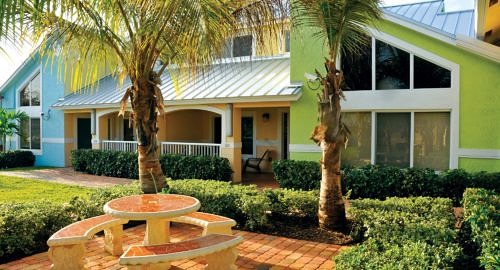
Each of Project Transition residential programs provide daily therapeutic treatment, and is comprised of approximately 30 members who live in apartments within the same complex. Up to three roommates share a furnished apartment. Most neighbors of Project Transition members are everyday tenants and are not associated with our program.  This reflects social reality, reinforces normalcy and responsibility, and reduces stigma.

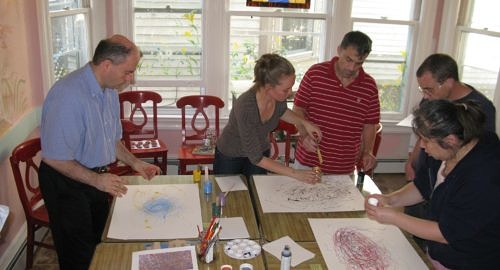
All of our programs have nearby off-site locations that serve as the activity hub of the community.  This is where group therapy, workshops, individual sessions, and community meetings occur. While public transportation is available nearby, each program is equipped to transport individuals as needed.  Staff is on-site daily from 9 am to 9 pm and members have access to a 24/7 skills coaching/crisis response system.